



Our story
A legacy rooted in Arbegona
A name drawn from Sidama tradition, a farm built over thirty years, and a second generation scaling it into specialty.
01 The name
The origin of the name Bursa
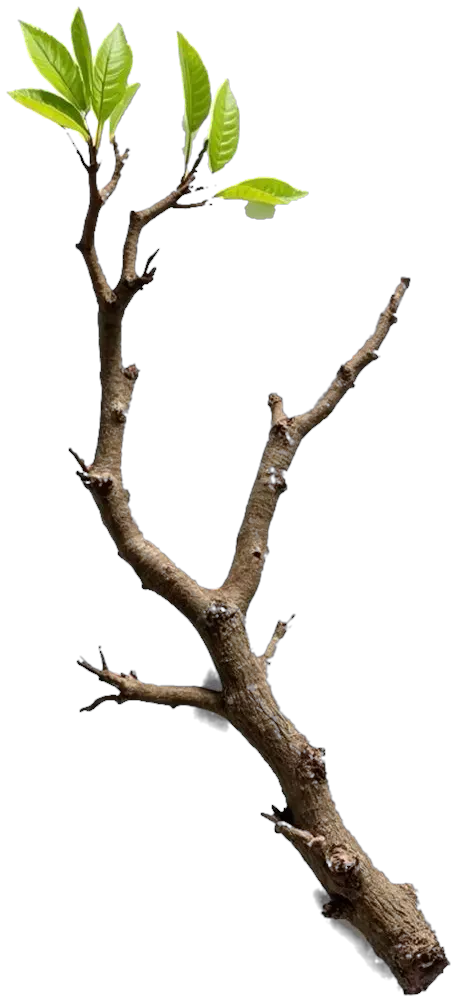
The name Bursa comes from a sweetly scented local wood known in the Sidama language. Traditionally this wood is burned as incense, releasing a gentle aromatic smoke believed to relieve headaches and create a calming atmosphere.
For us the name carries a deeper meaning. Just as the fragrance of Bursa wood spreads purity and comfort, Bursa Coffee represents the natural aroma, authenticity and healing character found in every cup of Ethiopian coffee — pure, fragrant, and memorable.
02 Two generations
Mulugeta Muntasha, and Degefu Mulugeta
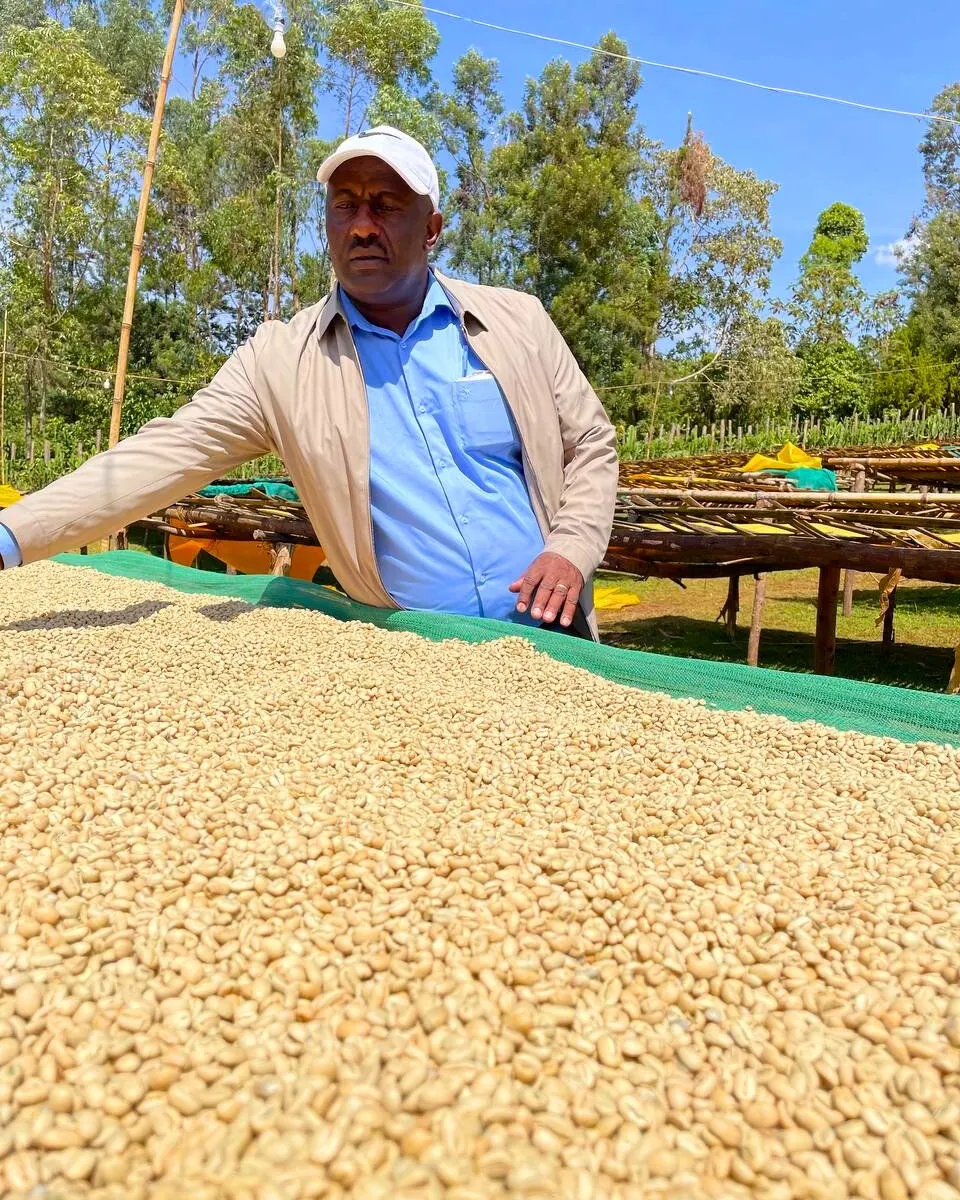
Mulugeta Muntasha
Born and raised in Arbegona, Sidama. Married, with five children. He started coffee farming thirty years ago, when prices were so low they did not cover the cost of production.
Many farmers lost interest as profits disappeared. Mulugeta persevered, and gradually expanded his farm.
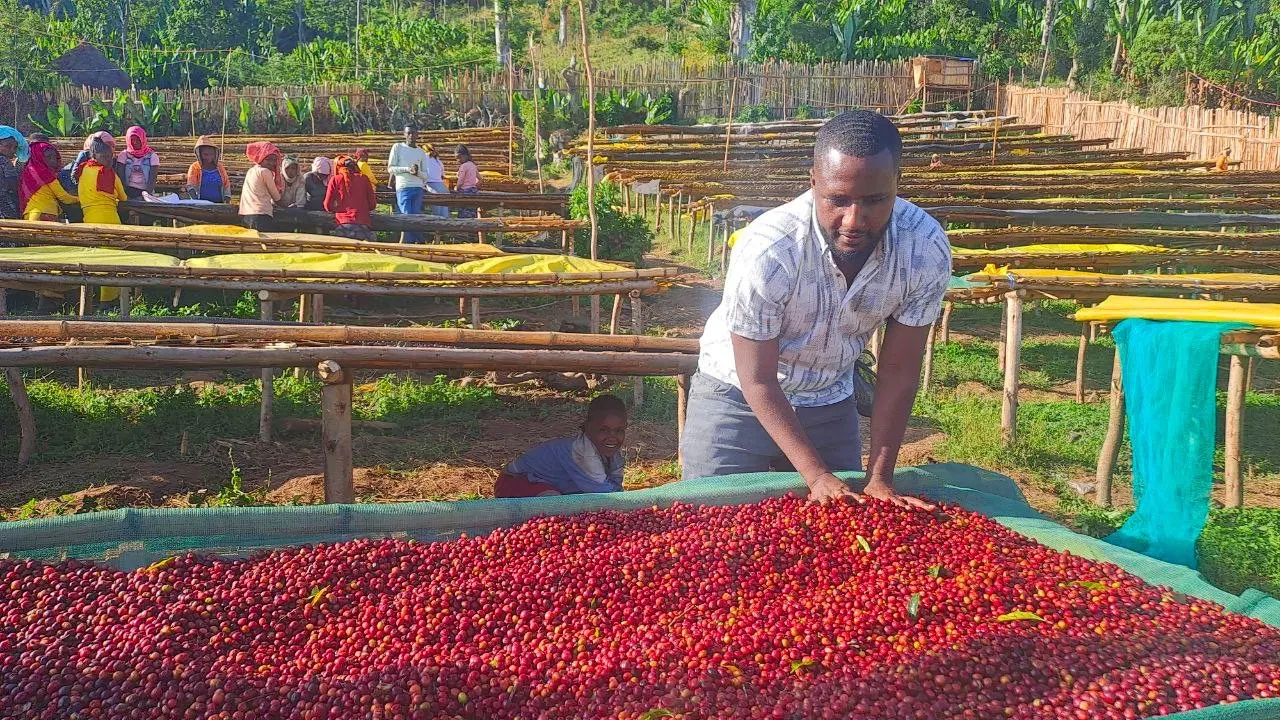
Degefu Mulugeta
Degefu followed in his father’s footsteps with a clear vision. After graduating from university five years ago, he has been instrumental in modernising and scaling Bursa Coffee plc, with a sharp focus on specialty coffee production.
03 The team
The people on the beds
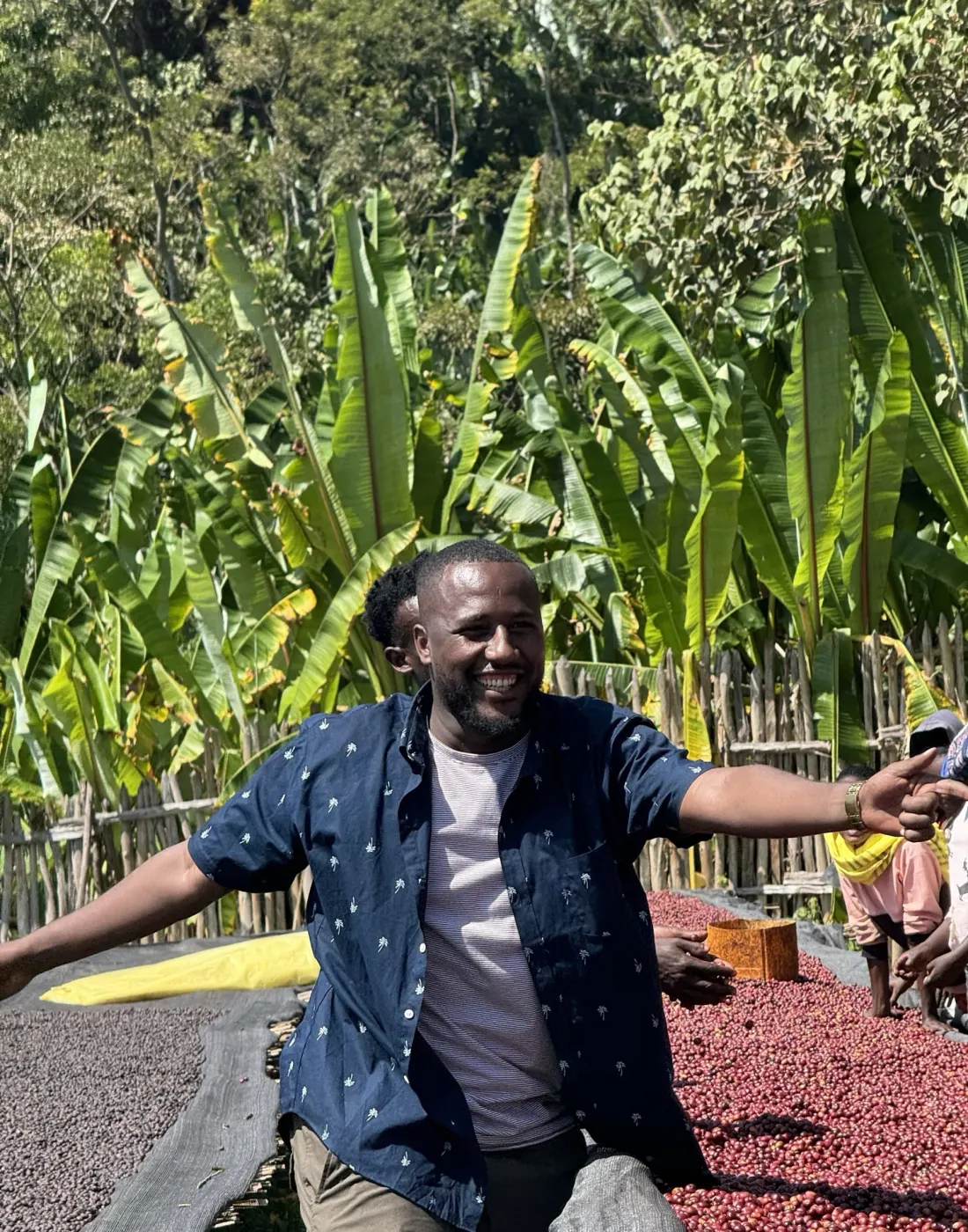
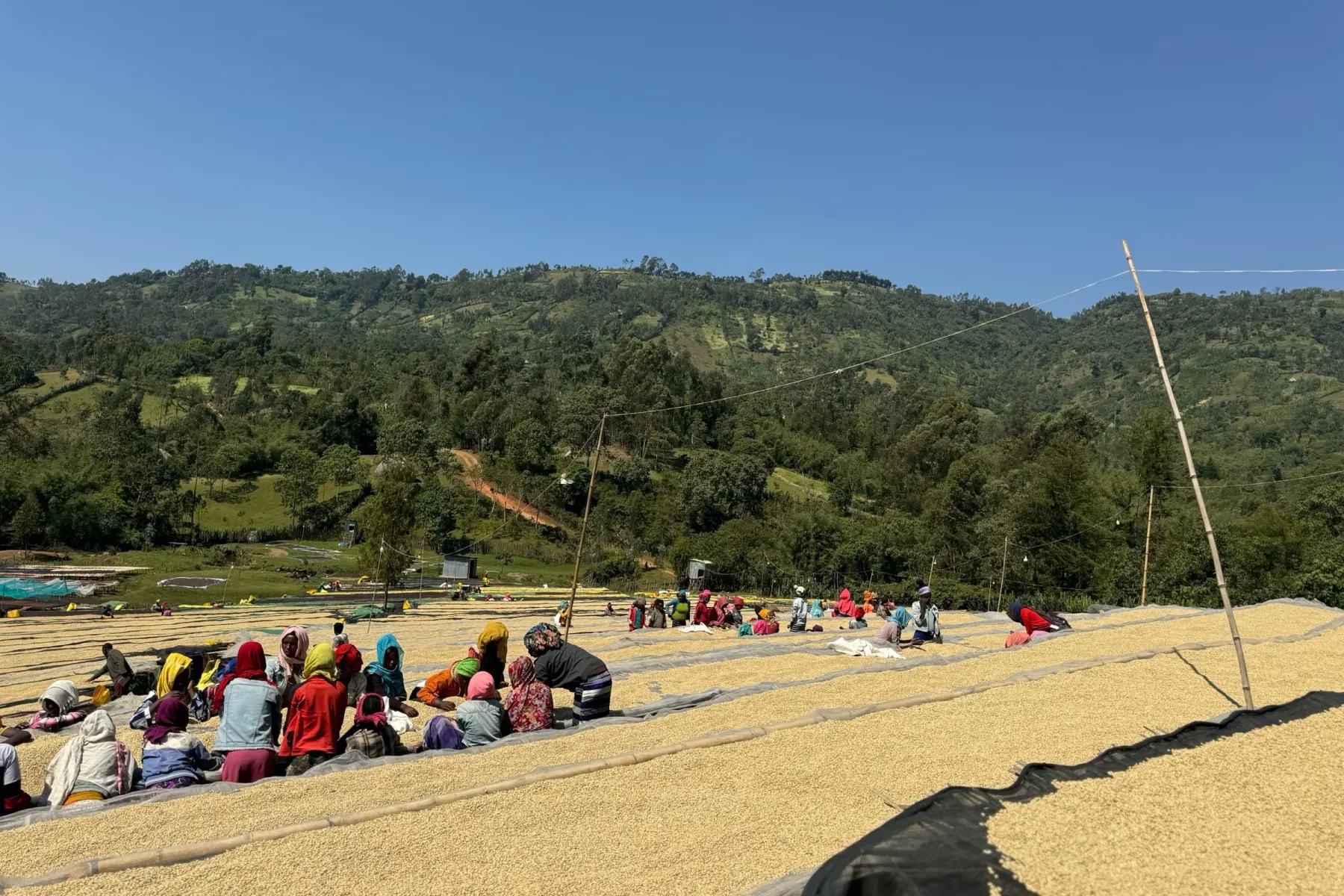
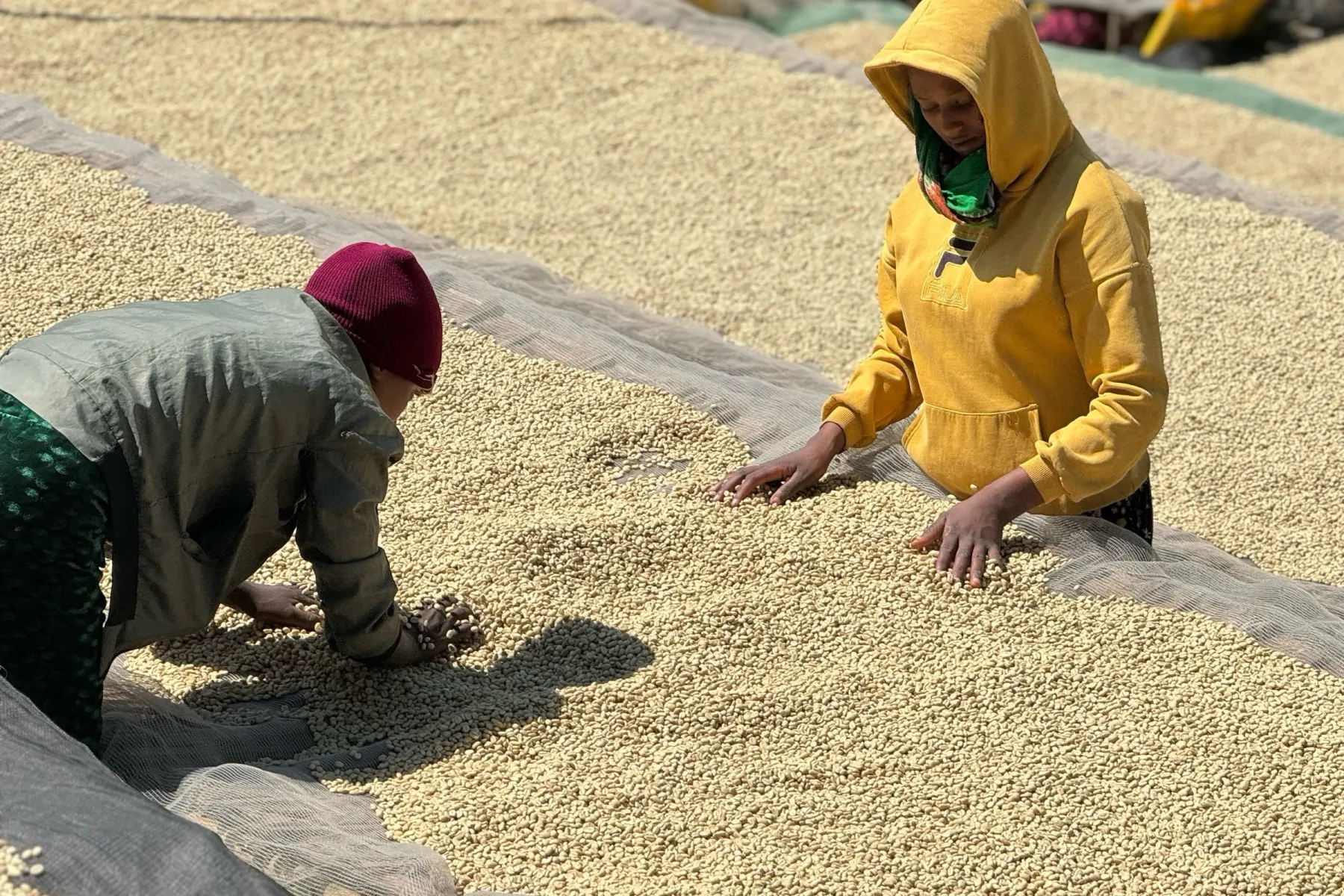
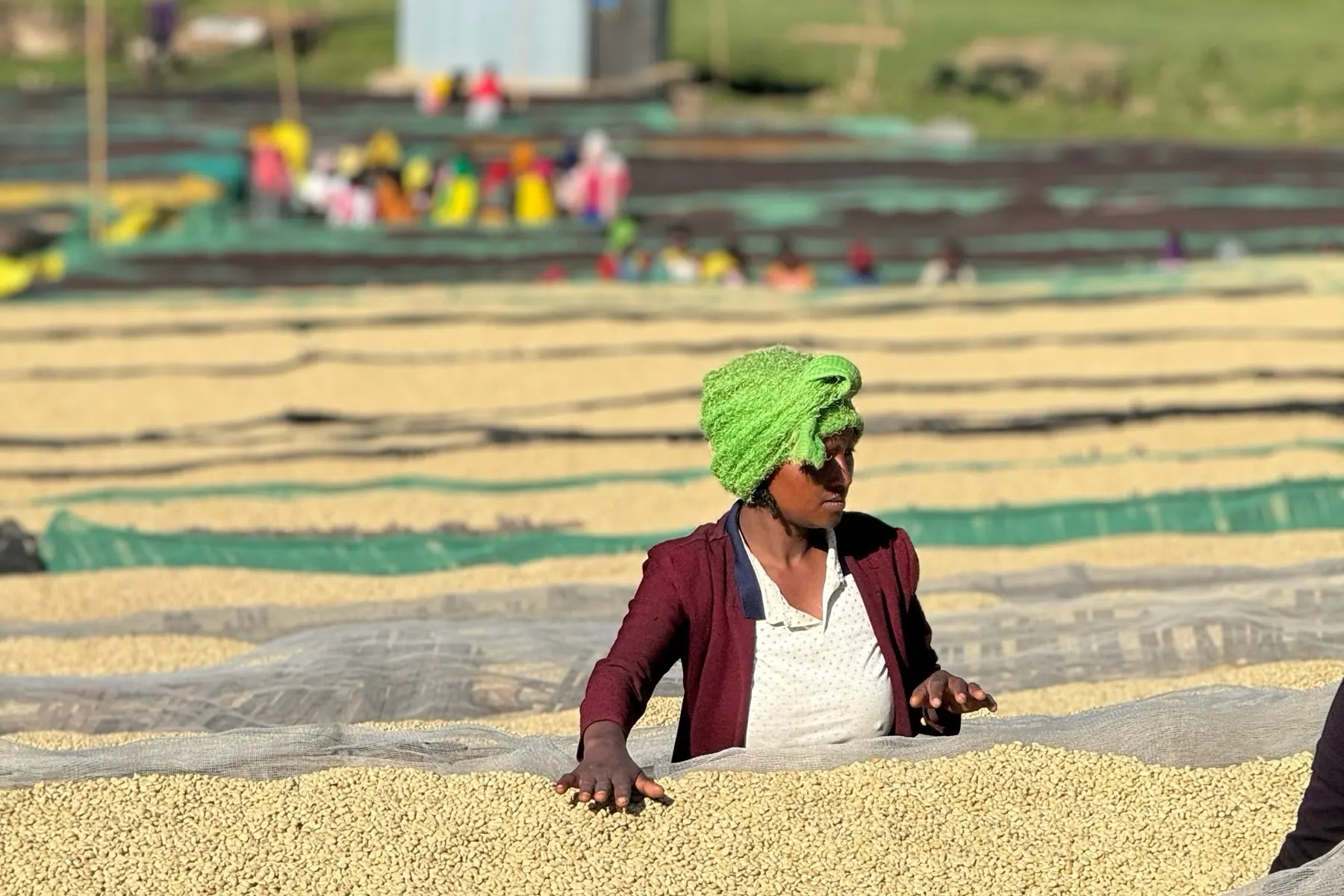
Two names sit on the certificates, but the cup is made by the people working the beds. Through harvest the site runs on hands: cherry floated and graded on arrival, spread thin, turned through the day, then sorted bean by bean before a lot is allowed to be called a lot.
Almost all of them are from Arbegona — many farming their own plots alongside the season’s work, and delivering their cherry to the same station.
04 Vision & mission
Where we are going, and how
Vision
To become a trusted global supplier of premium Ethiopian specialty coffee, recognised for quality, innovation and long-term partnerships across the coffee value chain. We aim to promote Ethiopian coffee internationally while supporting the communities and farmers who produce it.
Mission
To source, process and export high-quality Ethiopian specialty coffee while creating sustainable value for farmers, partners and buyers worldwide — coffees that reflect Ethiopia’s unique flavour diversity, with transparency, reliability and excellence in every shipment.
05 Building Bursa Coffee